Vet-led product investigation

The 48-Hour Cat Fountain Test:
I Sent Six Out to Six Homes. Here's What Was in the Water.

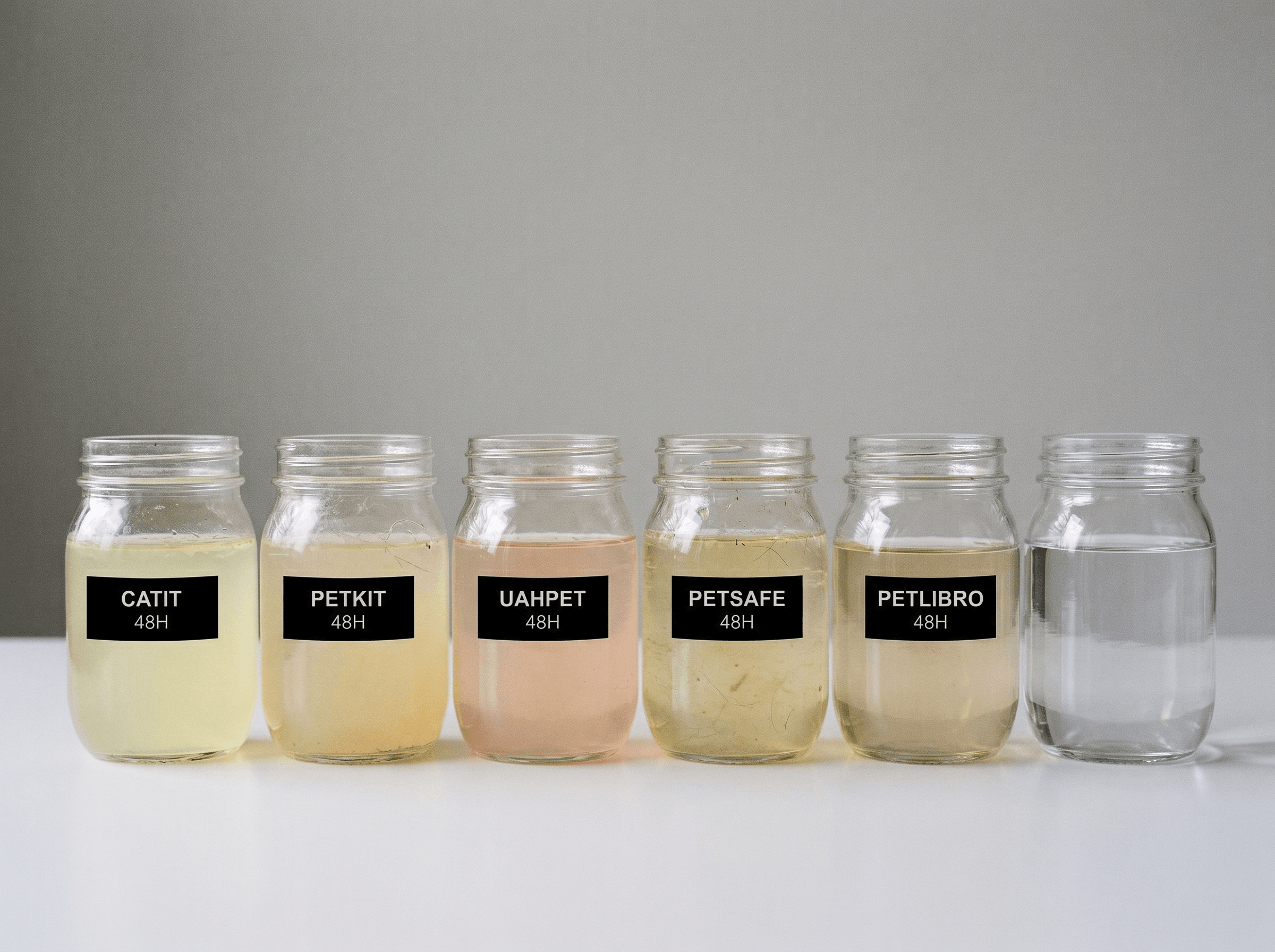
I bought six of the most popular cat fountains. I asked six clients to host one for two days. Same fill day. Same water. No cleaning. At hour 48, I poured what was left into glass jars. The samples were not even close.

Disclosure: I ran this test on my own. No fountain brand was told about it. No brand paid for it. No brand had any say in what I wrote. I bought every fountain at full price, with my own money. The full method is at the bottom of this page.
Skip ahead to the winner

Why I Ran This Test

I have spent the last fifteen years of my work life around cats with kidney problems. Not because I went looking for them. Because there were so many.

Long-term kidney disease. Bladder issues that keep coming back. Cats whose blood tests get a little worse each year. By the time I see most of these animals, the harm is years deep. I love this work. I do not love watching it.

Three years ago I started asking each owner the same thing: when did you last clean your cat's water fountain? The answer was almost always the same. Last week. But it's already slimy again.

I started to look at the fountains. Not in any planned way at first. Just opening them up after visits, when owners brought them in to ask why the water looked the way it did.

What I found I could not un-see. A pink film around the water line. A grey-green ring inside the tank. A pump with so much hair around it the motor had stopped. One owner said to me, "I changed the filter every week. I scrubbed it. I don't know why it keeps doing this."

She wasn't doing a thing wrong. The fountain was.

I am not the first person to spot this. Owners on Reddit and in Amazon reviews have said the same thing for years — "it gets slimy in 3 days," "smelled like something died in it," "I'm now team f*** water fountains." The anger in the words is not small. What shocked me was how the same thing kept coming up across brands. Same gripe. Same time frame. On fountains that cost $20 and on fountains that cost $120.

So I did what I should have done five years ago. I bought six of the most popular cat fountains and asked six of my clients — six normal homes, six normal cats — to host one each for two days. Same fill day. Same kind of water. Same rules: feed your cat as you always do, let your cat drink as it always does, do not clean the fountain, do not top up the water. At hour 48 I picked them up and poured the water from each one into a clean jar in my own kitchen, under the same light.

Here is what I found.

The Six-Jar Lineup — six clear glass jars on a white surface, in a row, showing the water poured from each cat fountain after 48 hours of normal use.
Six fountains. Six homes. Six cats. Same fill day. Same 48 hours of normal use. This is what was inside them when I poured them out.

What I Was Trying to Find Out

The question I set out to answer was a narrow one:

How clean is the water in a cat fountain after 48 hours? And does the design of the fountain — not the brand, not the price — tell you the answer ahead of time?

Forty-eight hours matters because it is the gap, not the rule. Makers say to clean every two to four weeks. Most owners I see clean about once a week — and that is the careful end. The slime, though, starts showing up around the 48-hour mark, well before any owner thinks to scrub it down. So a fountain that is slimy at 48 hours is slimy on Wednesday for an owner who cleans on Sunday. It is failing on a normal Tuesday.

A fountain that fails at 48 hours is a fountain that is failing in real homes, every day, between cleanings. That was the bar.

How I Tested

I set this up so any patient person could do it on a normal week. There is no lab gear in this study. No big school name behind it. Just six fountains, six homes, six cats, six glass jars, and a clock.

1
Bought all six on Amazon
Under my own name. No brand told. No free samples taken.
2
Six clients, six normal homes
One fountain per home, one cat per home. Cats already used to drinking from a fountain.
3
Same fill day, same water
All six filled at the same time, from the same tap, on the same morning.
4
No cleaning. No top-ups.
Owners changed nothing. Just let the fountain run for 48 hours.
5
Sampled at hour 48
Water poured into clean 250 mL glass jars under the same light, against a plain wall.
6
Took every fountain apart
Pumps, filters, tubes, tank walls — photographed, scored for slime and build-up.

What I Measured

  • Water clarity — checked against a clarity card (1 = cloudy; 10 = looks like fresh tap water).
  • Slime on inside parts — pump, intake tube, filter, tank wall, drinking surface, scored None / Trace / Some / Heavy.
  • Smell — rated on a 5-point scale from None (1) to Strongly Bad (5).
  • Pump at 48 hours — Normal / Weak / Off and on / Failed.
  • Filter state — hair, color change, build-up, shape.
  • What the cat touches — every part the water meets, with a note on what the cat's chin and whiskers actually touch when drinking.

What this study is and is not

This is a controlled product test. It is not a lab study of bugs. I did not grow the bacteria or count cells. I did not run gene tests on the slime. The findings are visual. They can be repeated. They are not peer-reviewed. They are not vet advice. They are what one vet nurse, with fifteen years on the job and six willing clients, was able to show herself about how six fountains act after two days in a normal home.

The Findings, At a Glance

Five of these six fountains share the same core design. One does not. That gap is what this study is about.

Water Clarity Score at 48 Hours

Score 1–10 · higher is better · same fill water across all six fountains
10 8 6 4 2 0 2.5 Catit Flower 3.0 PetKit Eversweet 3.5 UAH Pet Steel 4.0 PetSafe Drinkwell 4.5 PetLibro Capsule 9.5 Purestream AquaOne ★
One-chamber design (5 of 6) Two-chamber, isolated pump (AquaOne)

Higher is better. Same water. Same 48 hours of normal home use. The five fountains in grey share the same one-chamber design that pulls used water back to the tank.

Six-Way Score: Top Three Fountains

Six metrics, each scored 0–10 · the closer to the outer edge, the better
Water clarity Slime (low) Pump health Cat-safe surface Filter state Smell (low)
Purestream AquaOne PetLibro PetSafe Drinkwell

AquaOne sits near the outer edge on every point. The other two fail in the same three places: slime, pump, and filter.

Quick Comparison: Six Fountains, Side by Side

Same 48-hour test. Same water. Same rules. The winning row is highlighted.

Fountain Design Filter Type Cost / Year (Filters) Pump Failure Window Cat Touches 48-hr Verdict
Catit Flower One-chamber, pump in water 3-stage carbon ~$45 6–18 months Plastic petals Heavy slime
PetKit Eversweet One-chamber, pump in water Multi-stage carbon ~$60 8–14 months Plastic dome Slime + smell
PetLibro Capsule One-chamber, pump in water Brand-locked carbon ~$96 6–12 months Steel tray + plastic body Cloudy + noisy
PetSafe Drinkwell One-chamber, pump in water Carbon + foam ~$72 10–24 months Plastic spout Slime + hair
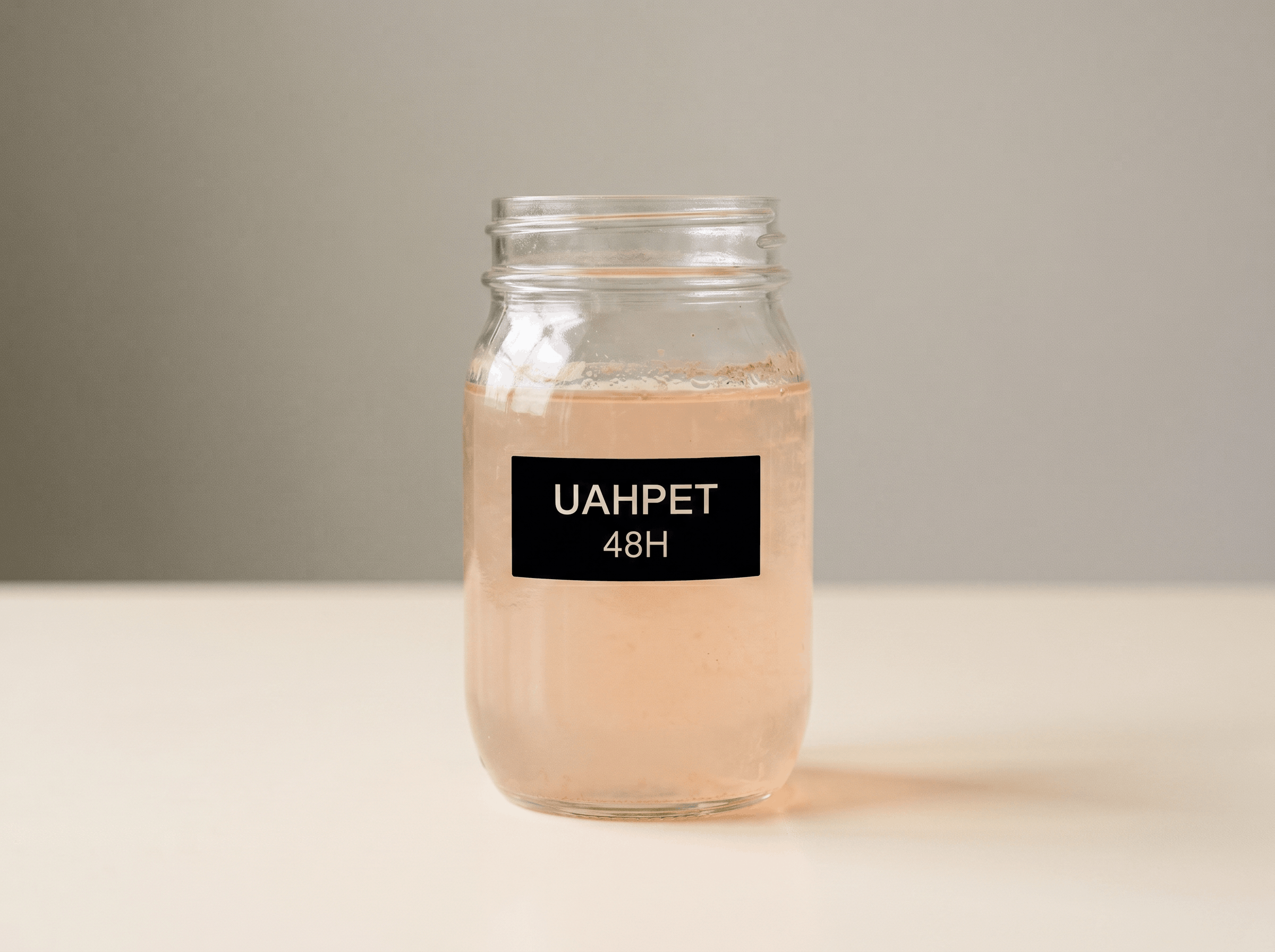
UAH Pet Steel One-chamber, pump in water Cotton + carbon + ion ~$54 8–14 months Steel tray + plastic body Pink film
Purestream AquaOne Winner Two-chamber, isolated clean-water pump None ~$0 Pump stays clean Steel only Clear

See the fountain that came out clear at 48 hours.

View Purestream AquaOne

The Per-Fountain Findings

I've ranked these worst to best. The reason for each rank is below. The pattern across the first five is so steady that by the third one you'll start guessing the failure before I name it.

That's the point. The pattern is the finding.

Rank 1 of 6 · Worst

Catit Flower

A flower-top fountain with three-stage filter. One of the most-known cat fountain shapes in the world.

★★☆☆☆
D−
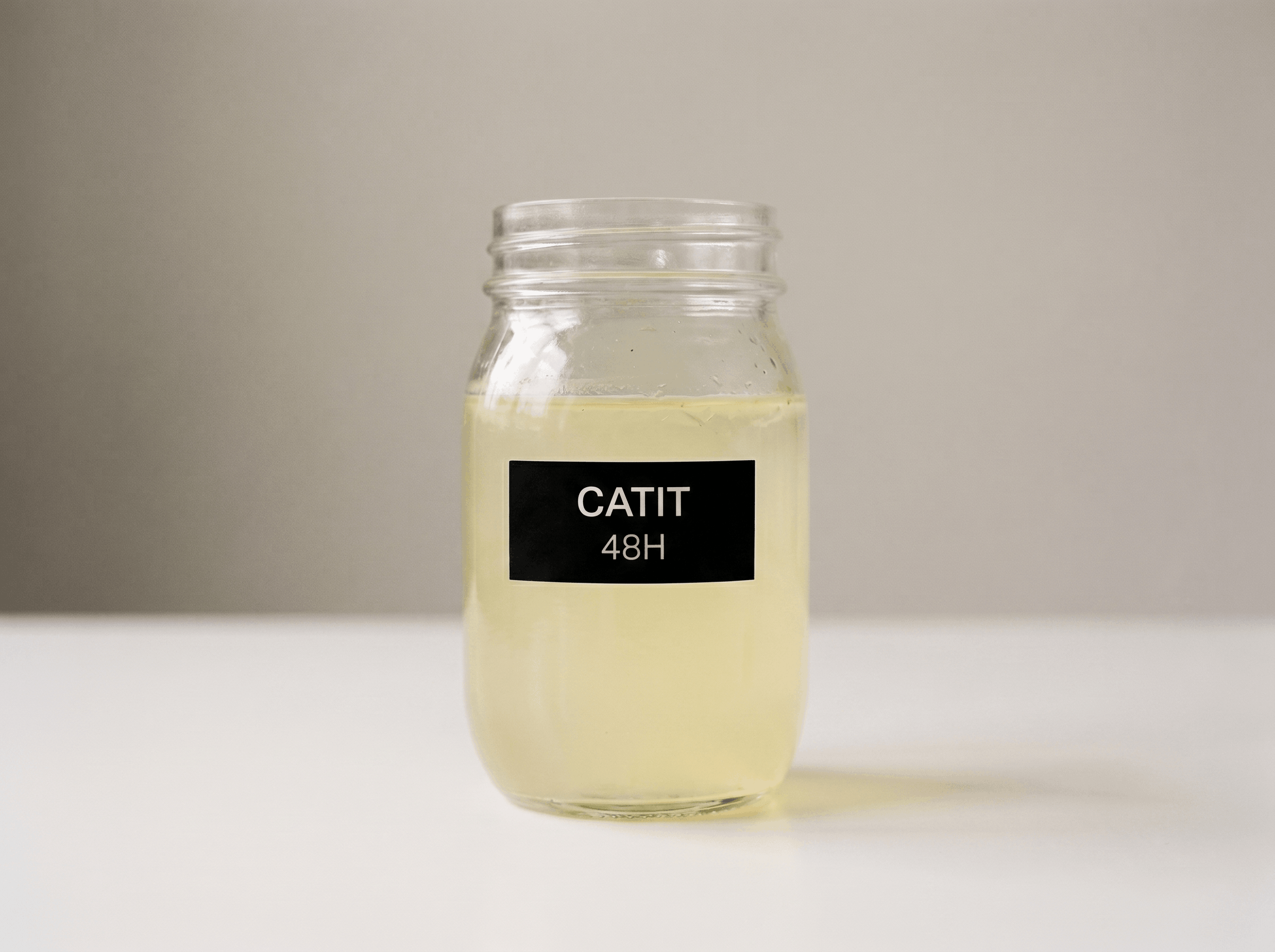
Jar of water poured from the Catit Flower fountain after 48 hours of normal home use — visibly cloudy with debris.

Design: One chamber. Pump in the water. Plastic body, plastic tank, plastic flower top. Three-stage filter in the flow path.

Water Clarity
2.5/10
Slime Inside
Heavy
Smell (1–5)
4 / 5
Why it failed
  • The flower top has more rough wet surface per liter than any other fountain in the test.
  • Slime forms best on rough, wet surfaces — and the cat's chin touches the flower every drink.
  • The filter is known to break down and leak black bits into the water as it ages.
What owners say
  • "Even with a twice-weekly change, the water/fount = slimy."
  • "Place the entire fountain in the dishwasher and wash it twice, but it still feels slimy."
  • "My cats, who are hardly scared of anything, won't go near it."
Bottom line: The dishwasher does not fix it. Vinegar does not fix it. The design is the problem, and you cannot clean the design out.
Rank 2 of 6

PetKit Eversweet

A "smart" fountain with an app, water-level sensors, and refresh alerts.

★★☆☆☆
D
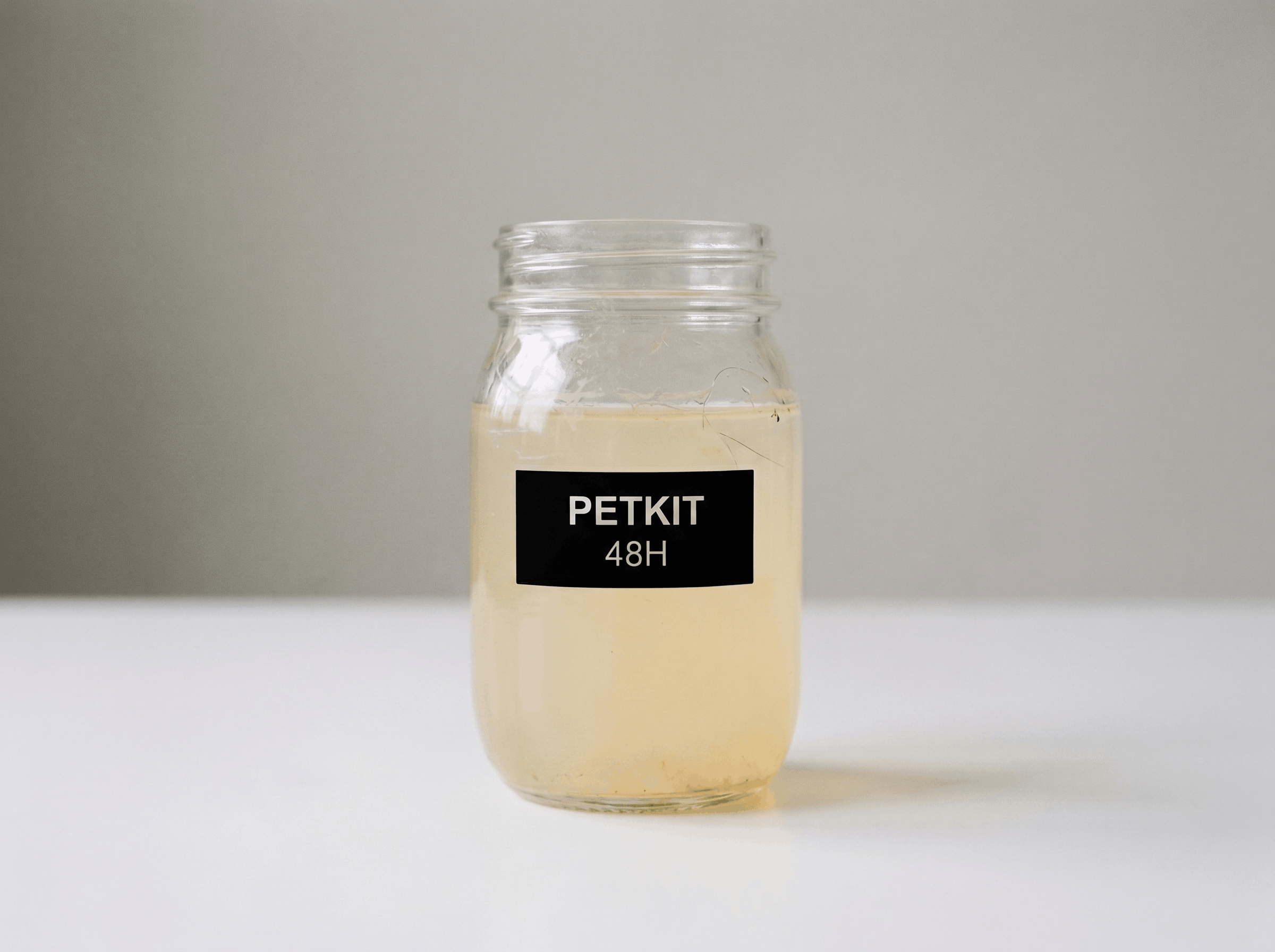
Jar of water poured from the PetKit Eversweet fountain after 48 hours of normal home use.

Design: One chamber. Pump in the water. Plastic body, plastic tank, plastic drinking surface. Multi-stage filter.

Water Clarity
3.0/10
Slime Inside
Heavy
Smell (1–5)
4 / 5
Why it failed
  • Same plumbing as its non-smart rivals — pump in the water, one chamber, carbon filter, plastic tank.
  • The "smart" layer is software on top of unchanged guts.
  • The "fountain status: optimal" alert lulls owners into stretching the cleaning gap.
What owners say
  • App tells you the water is full. It cannot tell you the water is alive.
  • Pumps short-lived. Replacement parts cost more than expected.
  • "Got a slime ring in 4 days even with the app reminders."
Bottom line: The app does not stop the slime. PetKit's app tells you the water is full. It cannot tell you the water is alive.
Rank 3 of 6

PetLibro Capsule (Stainless Steel)

A high-end brand with steel and capsule shapes at the top of the price range.

★★☆☆☆
C−
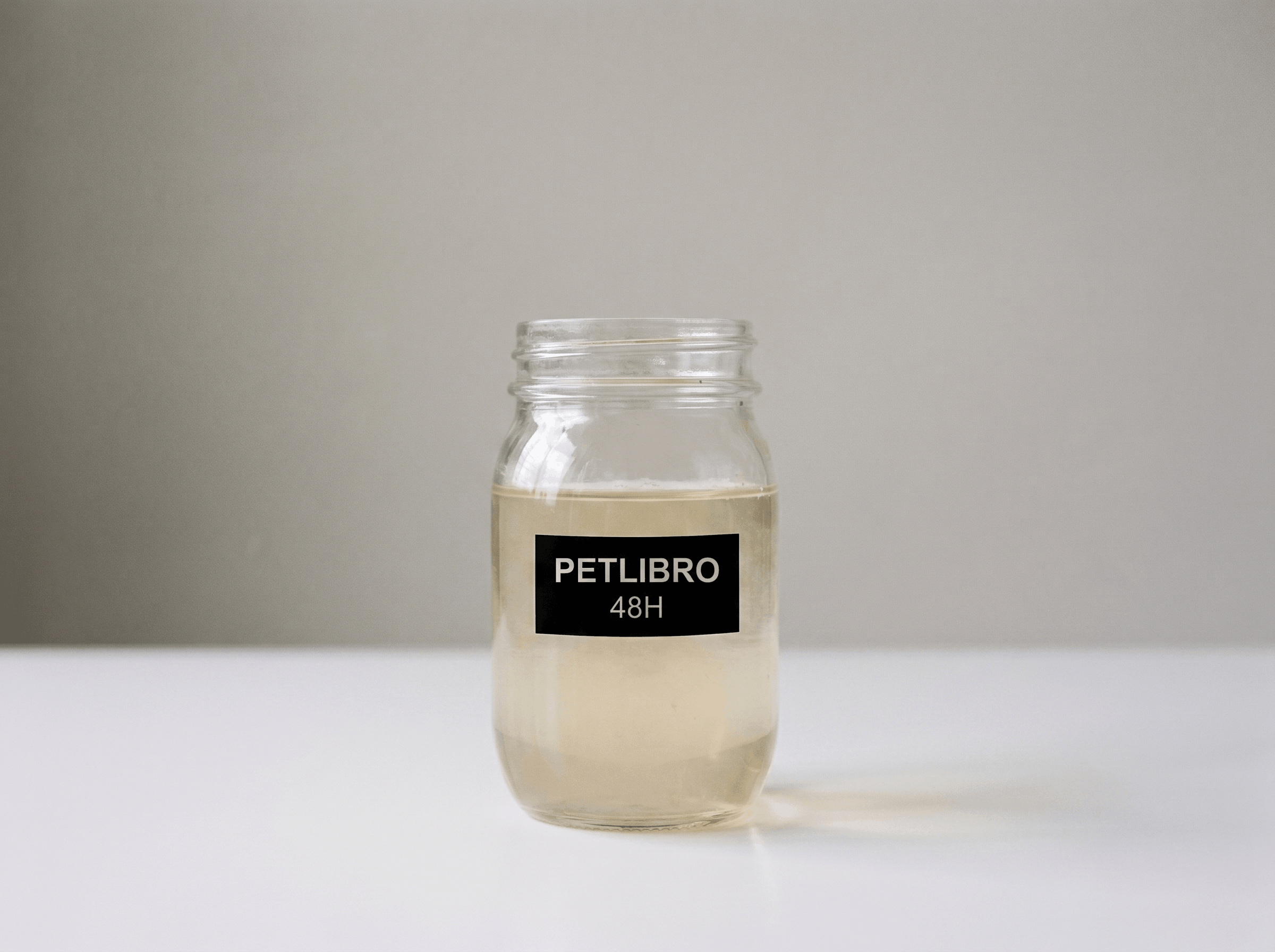
Jar of water poured from the PetLibro Capsule fountain after 48 hours of normal home use.

Design: One chamber. Pump in the water. Mixed parts (some steel, mostly plastic). Filter cartridge, swap every 2–4 weeks (~$96/yr).

Water Clarity
4.5/10
Slime Inside
Some
Smell (1–5)
3 / 5
Why it failed
  • Capsule shape packs water into a small upright tube — more slime-grow surface per drop.
  • Steel top tray doesn't help: water still cycles through plastic on every loop.
  • PetLibro's own help desk has an article about pump noise. Cause: air sucked in as level drops.
What owners say
  • "Pumps are short-lived and the base unit does not last." — Cats.com
  • "Just sniffs at it and refuses to drink even after a couple of months." — Chewy
  • "The water had the acrid odor of melting industrial plastic." — Chewy
Bottom line: About $96 a year on filters. A cat that may or may not drink from it. A pump with a short life. A help desk with a ready answer for the noise call.

Tired of the same three failures? See what changed when one brand built a different machine.

See AquaOne
Rank 4 of 6

PetSafe Drinkwell

One of the oldest, most-recommended brands in the group. The default vet pick for years.

★★☆☆☆
C−
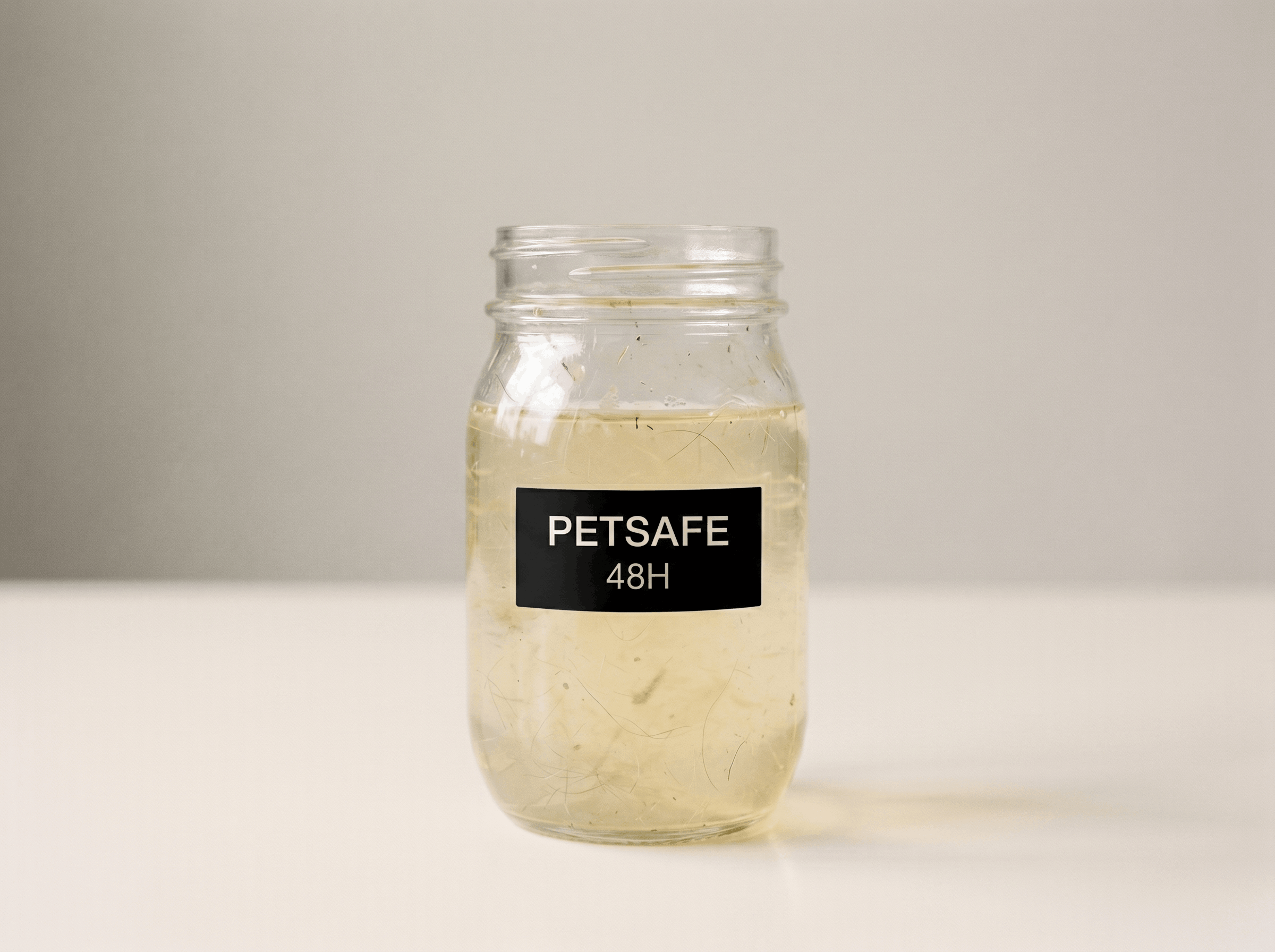
Jar of water poured from the PetSafe Drinkwell fountain after 48 hours of normal home use.

Design: One chamber. Pump in the water. Plastic body and tank. Carbon filter and foam pre-filter. Falling-water spout.

Water Clarity
4.0/10
Slime Inside
Heavy
Smell (1–5)
3 / 5
Why it failed (three flaws stacked)
  • Pump in the water. Motor heats the tank 1–3°C above room — speeding bug growth.
  • Carbon filter. 1977 peer-reviewed work shows it does not reduce bacterial counts.
  • One-chamber loop. No split between fresh and used water.
What owners say
  • "After leaving it unfilled during a weekend trip, the pump motor seized." — Amazon
  • "A pain to clean due to the many small crevices, even after buying the cleaning kit." — Kittyloaf
  • "It is difficult to disassemble (having to use a knife to pop the tabs)."
Bottom line: The 1977 study showing carbon doesn't block bacteria is older than this brand's marketing team.
Rank 5 of 6

UAH Pet (Steel)

A steel cat fountain with a three-step filter (cotton, carbon, ion exchange resin), pitched as a hygiene-forward upgrade.

★★☆☆☆
C
Jar of water poured from the UAH Pet steel fountain after 48 hours of normal home use.

Design: One chamber. Pump in the water. Steel top tray; plastic tank, plastic pump shell, plastic filter, plastic tubing. Foam sleeve on the pump intake.

Water Clarity
3.5/10
Slime Inside
Heavy
Smell (1–5)
3 / 5
Why it failed
  • Steel top tray is the only steel part the water touches — everything else is plastic.
  • The foam intake sleeve becomes a slime spot within 24–48 hours.
  • UAH names the bug. UAH's own fountain grows it.
What owners say
  • "What's the point of advertising stainless steel water fountain if the filter tray is plastic? It defeats the purpose." — Amazon
  • Owners report pink film on the bowl edge in under a week.
  • Foam intake holds odor even after a deep clean.
Bottom line: UAH Pet warns buyers about Serratia marcescens in its own ads. Their fountain grows it.
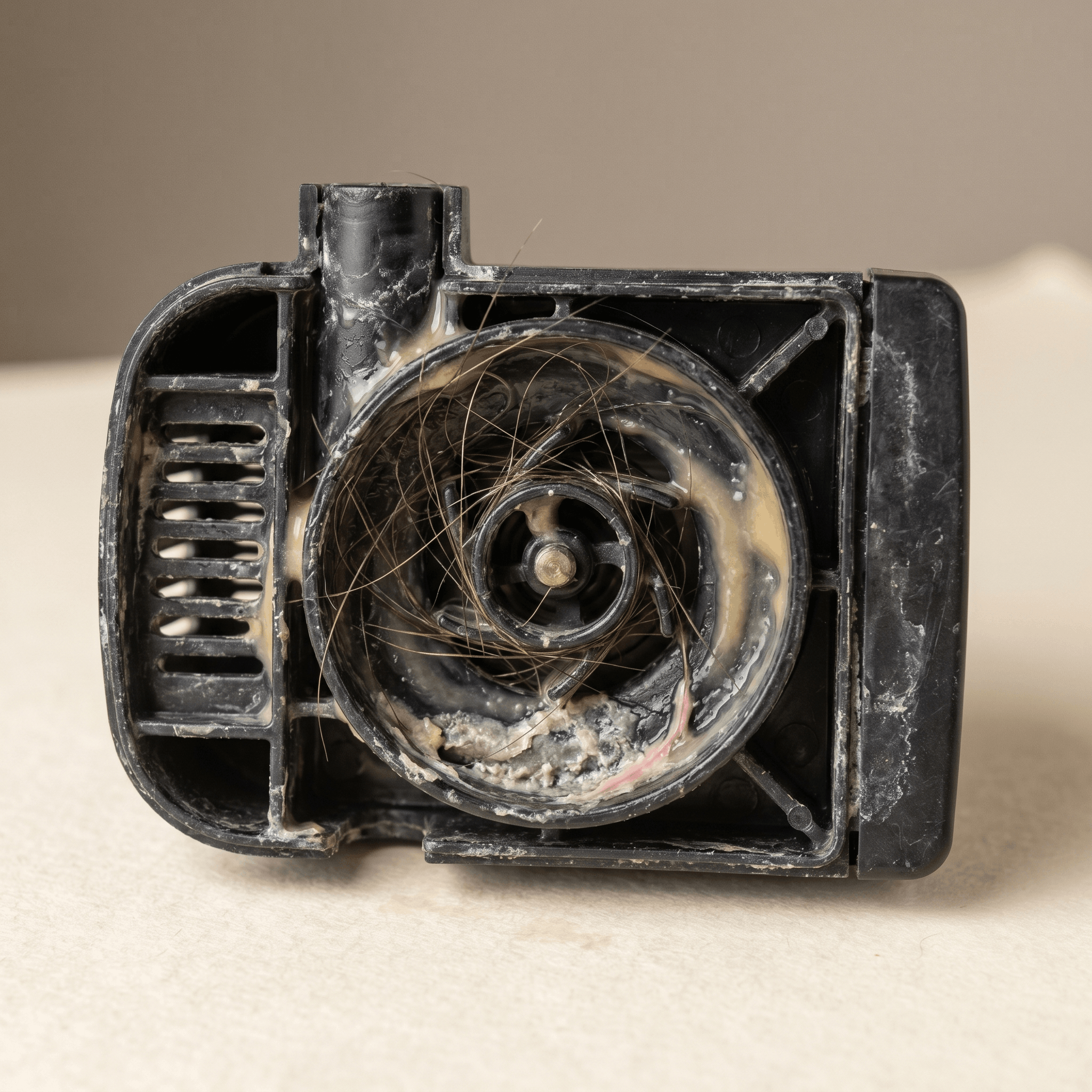
Macro shot — inside of a competitor pump shell at 48 hours. Hair wrapped around the pump motor, slime on the inside walls, scale at the base.
This pump ran nonstop for 48 hours in the same water the cat was meant to drink. The ad copy on this fountain calls it "easy to clean." This is what easy looks like at 48 hours.
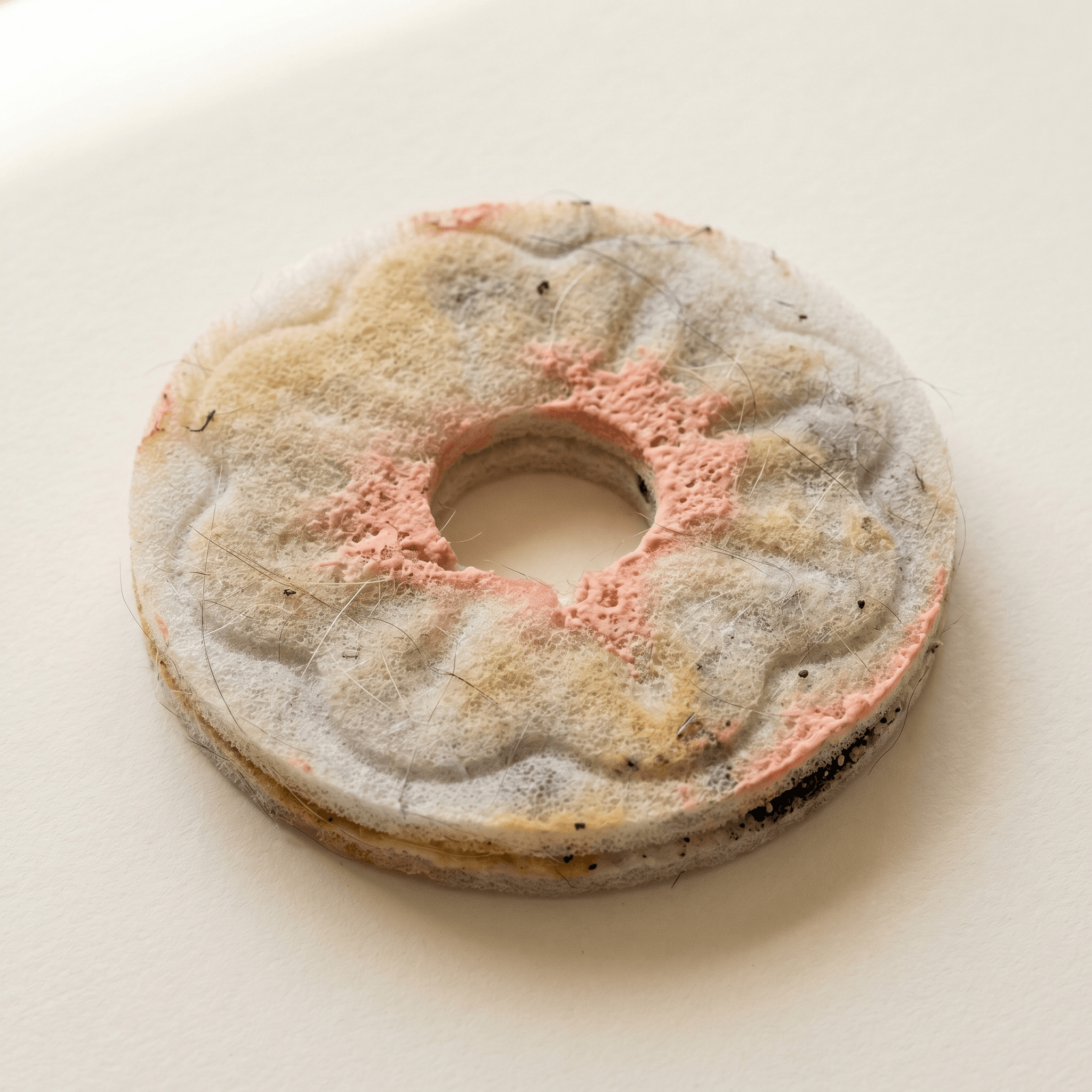
Macro shot — a single competitor carbon filter pulled from a fountain at 48 hours, showing trapped hair and discoloration.
Makers say to swap it every 2–4 weeks. Owners say they need to swap it every 5–10 days. The reason it goes bad this fast is not that it's doing too much. It's that it's doing the wrong job.
★ Editor's Pick · The Winner
Rank 6 of 6 · Top Pick

Purestream AquaOne

A two-chamber cat fountain with no chemical filter, a sealed clean-water pump, a steel drinking surface, and a 24-hour auto-drain.

★★★★★
A+
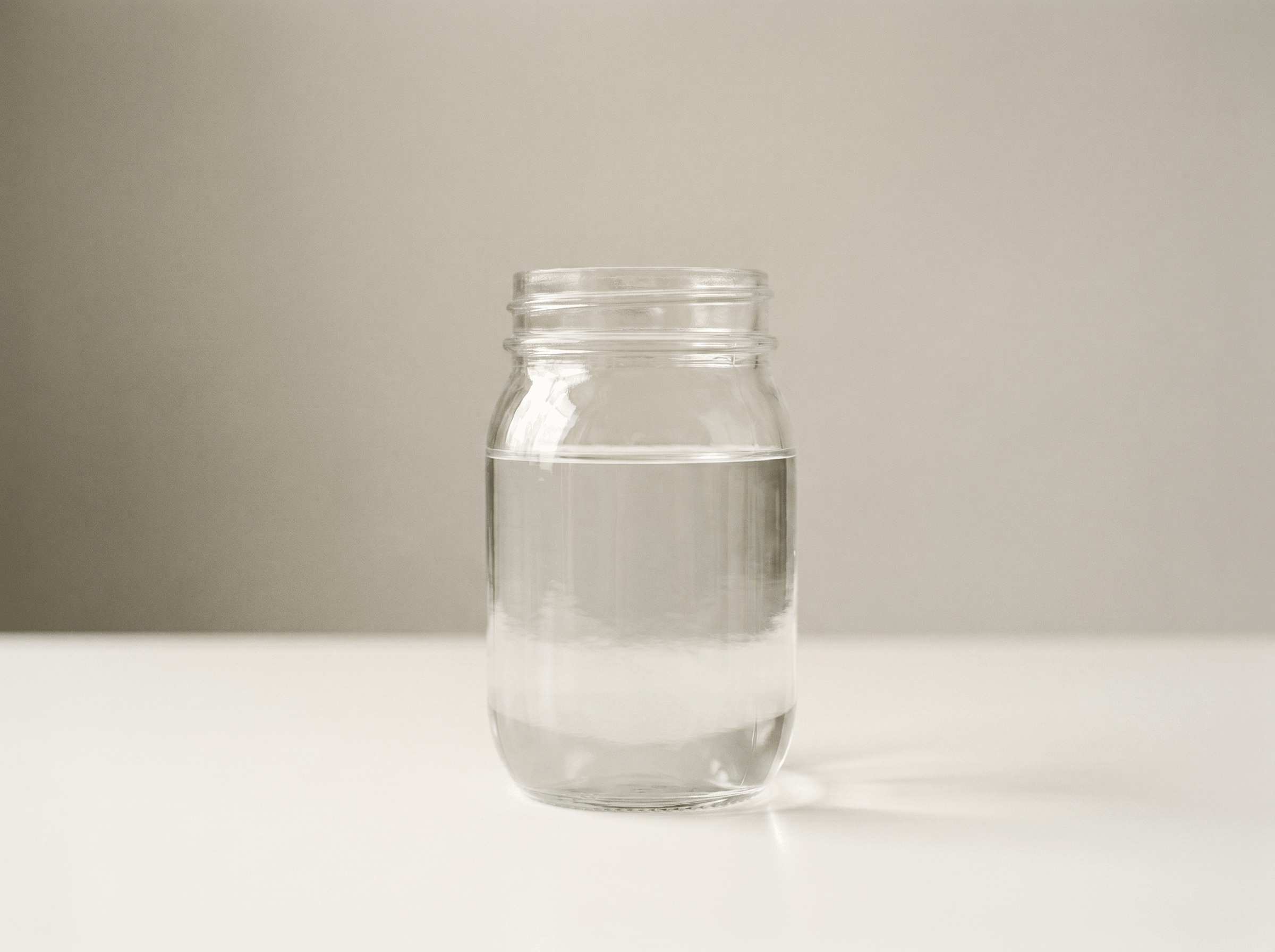
Jar of water poured from the Purestream AquaOne fountain after 48 hours of normal home use — clear and clean.

Purestream is a small brand. AquaOne is the only fountain in this test that does not share the basic plan of its rivals. It is not a better one-chamber fountain. It is a different machine.

Water Clarity
9.5/10
Slime Inside
None
Pump @ 48h
Normal
Smell (1–5)
1
Filter Cost
$0/yr
Cat Touches
Steel
Why it won
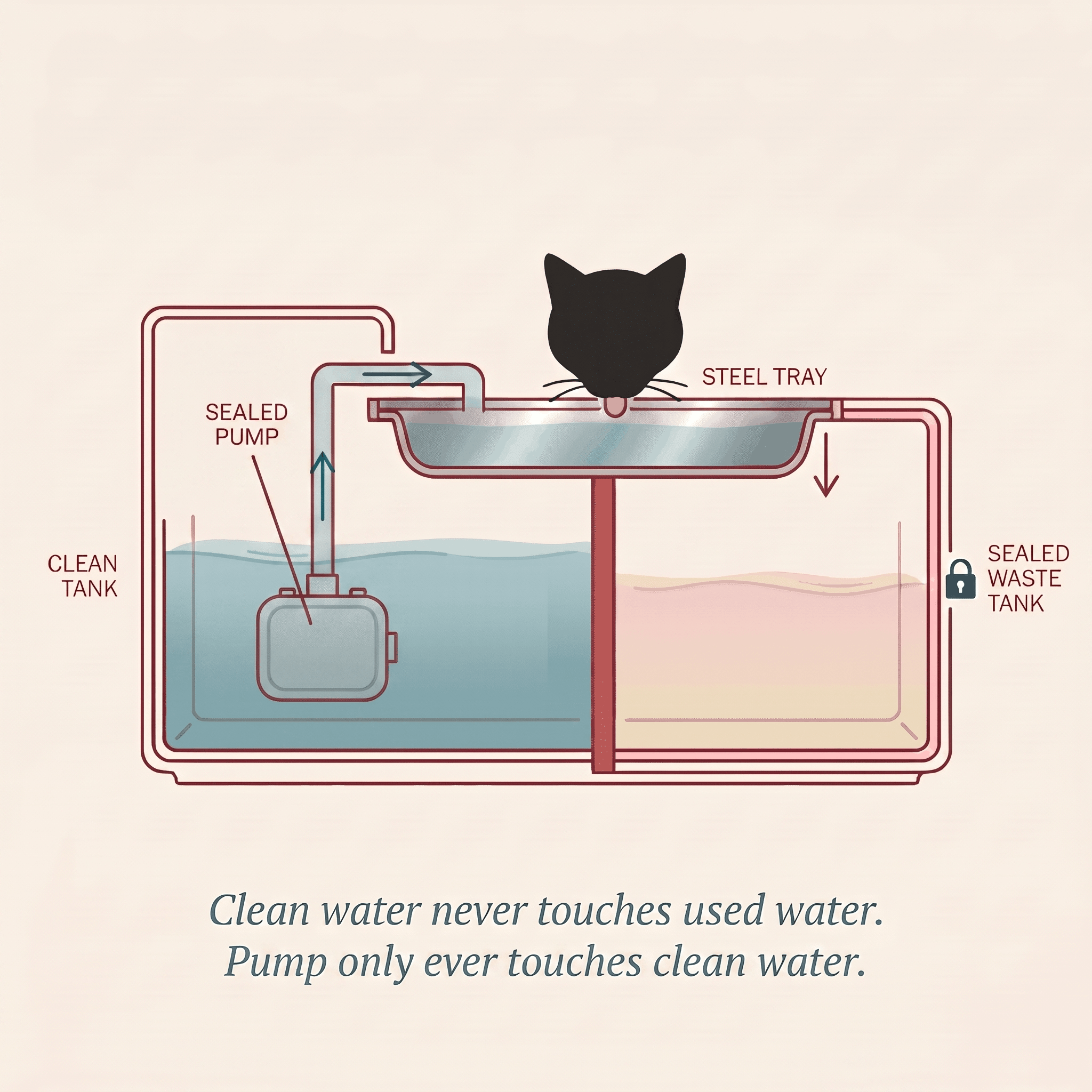
  • Two chambers, one-way flow. Sealed clean tank + sealed waste tank. Drinking water cannot flow back.
  • Sealed clean-water pump. The pump only ever sits in the sealed clean tank — never the bowl water your cat drank from. Nothing for slime or hair to wrap around.
  • No filter. Nothing to swap. Nothing to soak in slime. Nothing to budget for every month.
  • Steel drinking surface. Cat's chin and whiskers touch steel — never plastic.
  • 24-hour auto-drain. Bowl water never older than a day.
Honest downsides
  • Costs more than entry-level fountains (cheaper over 24 months than ongoing filter spend).
  • Small brand, small batches — sometimes out of stock.
  • 5+ cat homes may want two units to keep up with intake.
"Whoever came up with this idea is a genius. Instead of having the same water just circulating and being filtered all the time, this separates the clean and dirty water and your cat is always getting clean water to drink." — AquaOne owner, public review
Bottom line: The drinking water in this fountain was fresher than the drinking water in any other fountain in this test, by every way I could check. That is not an ad claim. It is what was in the jar.

Get the AquaOne, direct from Purestream

This is the link readers keep asking me for. The maker ships it; small brand, small batches.

Shop the Purestream AquaOne
Independently tested · No brand sponsorship
Direct-from-maker pricing · 24-hour auto-drain · No filter spend
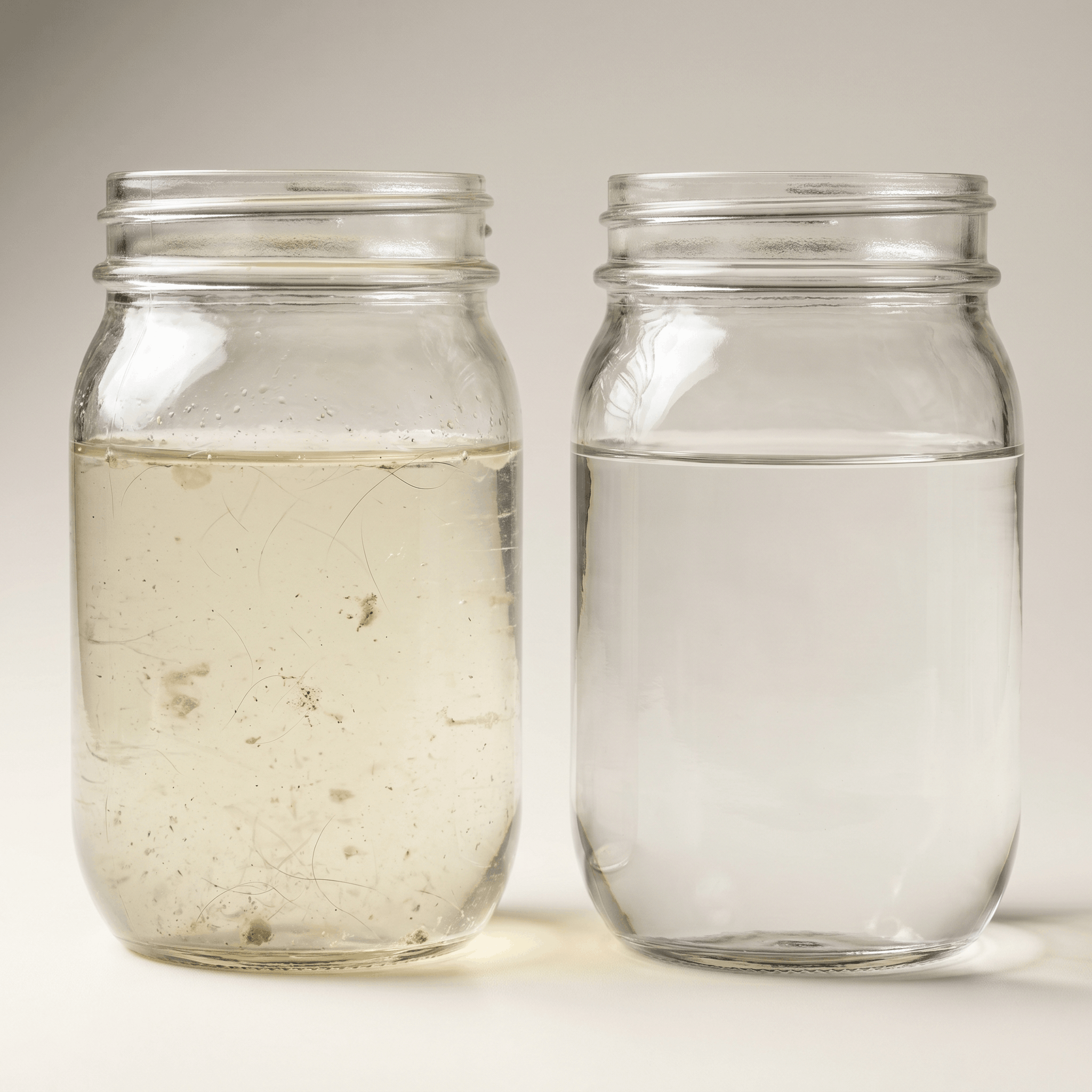
Side-by-side comparison — worst rival jar (left) vs Purestream AquaOne jar (right), shot in the same light at the same size after 48 hours of normal use.
Same water. Same 48 hours of normal use. The fountain on the left was rated "best filtered cat fountain" on three review sites. The fountain on the right has no filter at all.

Why The Other Five Failed (The Pattern)

I want to be clear about what this study is and is not saying. It is not saying that Catit, PetKit, PetLibro, PetSafe, and UAH Pet are bad brands. Some are well-built. Some are quieter. Your cat may like the look of one of them.

It is saying that all five share three design flaws that the sixth does not — and that those flaws, put together, lead to the same kind of failure on a 48-hour clock.

Design Flaw 1

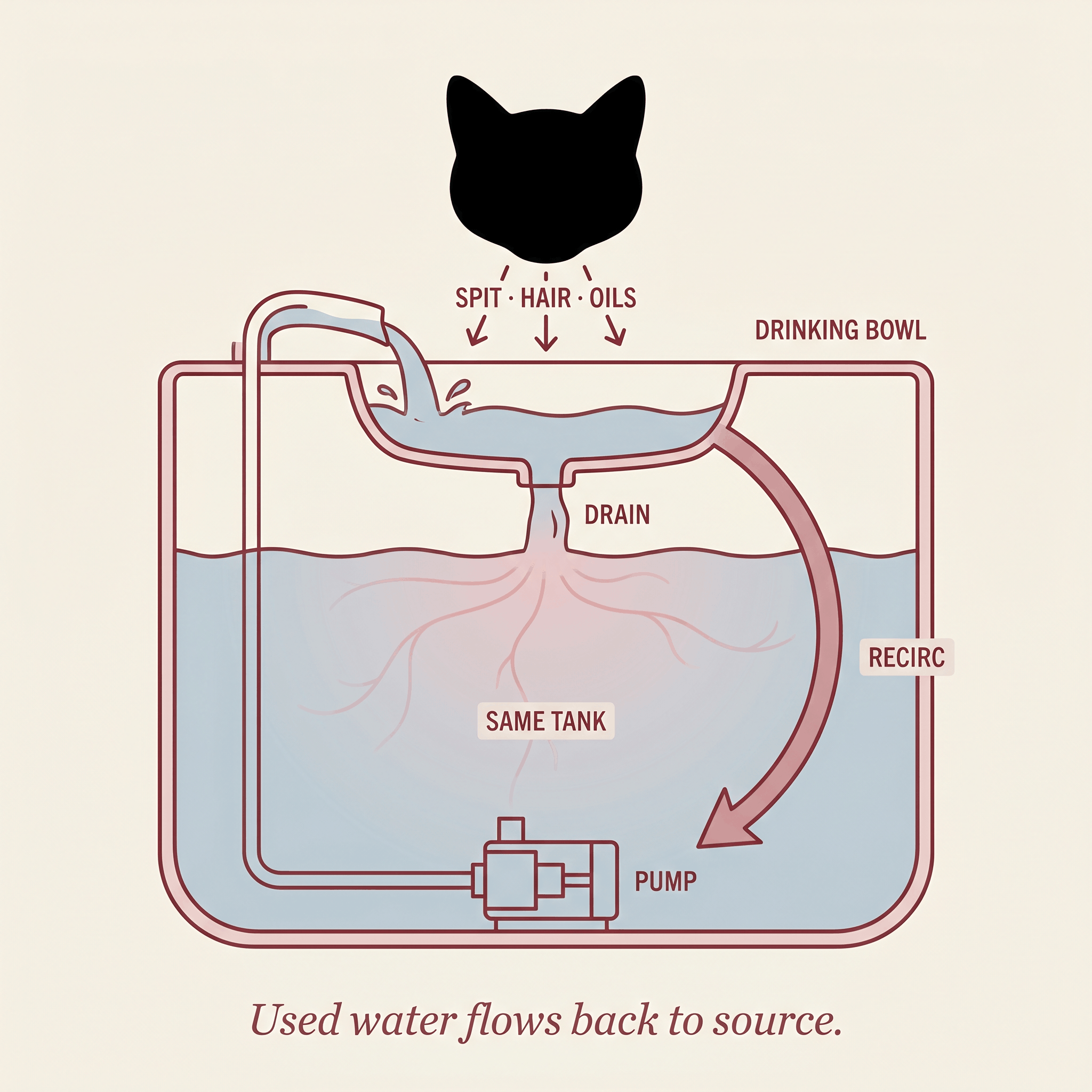
One-chamber loop

The cat drinks from the bowl. Spit, hair, food bits, and skin oil drop into the bowl. The bowl drains back to the tank. The tank is the source. There is no split between fresh water and used water.

The dirty clock starts the moment the fountain is filled and never resets until the whole thing is drained and deep-cleaned. You cannot clean around the design. You can only clean it out.

Cross-section diagram of a one-chamber cat fountain. Used water from the bowl drains back to the tank with the pump, mixing with the source water.
Design Flaw 2

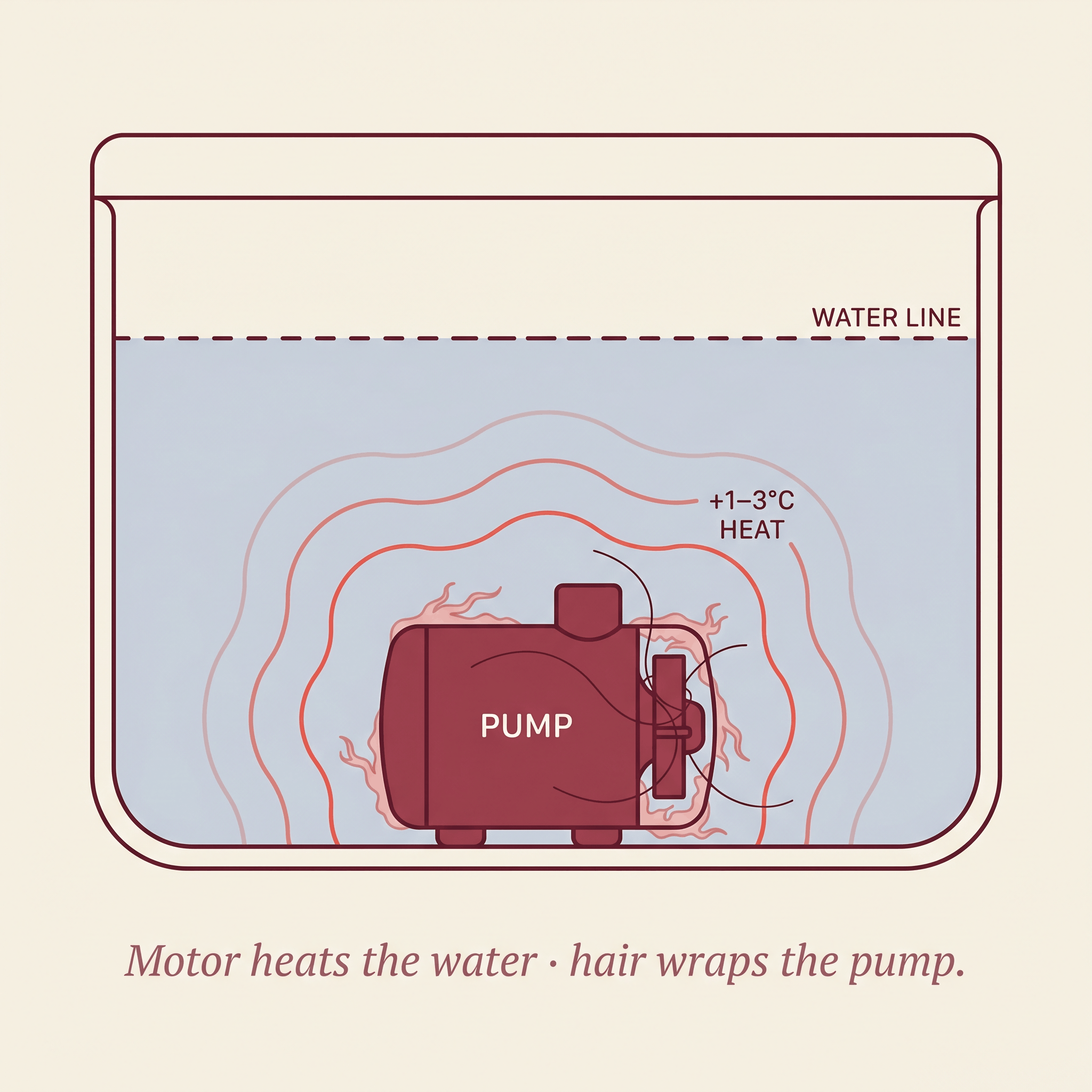
Pump submerged in the drinking water

The pump motor sits in the same water the cat drinks from. Heat from the motor flows right into the tank, warming it 1–3°C above the room — the exact range that speeds up bug growth.

The pump body is a big surface for slime. Hair wraps around the spinning parts inside it. The pump cannot be cleaned without taking it apart. "The motor stays slimy even after I soaked it in vinegar and dish soap" is not user error — it is slime in spots you cannot reach.

Cross-section showing a pump submerged in the cat fountain water. Heat radiates outward into the drinking water and hair wraps the pump.
Design Flaw 3

The carbon filter (a 1977 paper)

In 1977, Fiore & Babineau published in Applied and Environmental Microbiology: "Activated carbon filters were found to have no significant effect on the number of bacteria present in the water." That was forty-nine years ago.

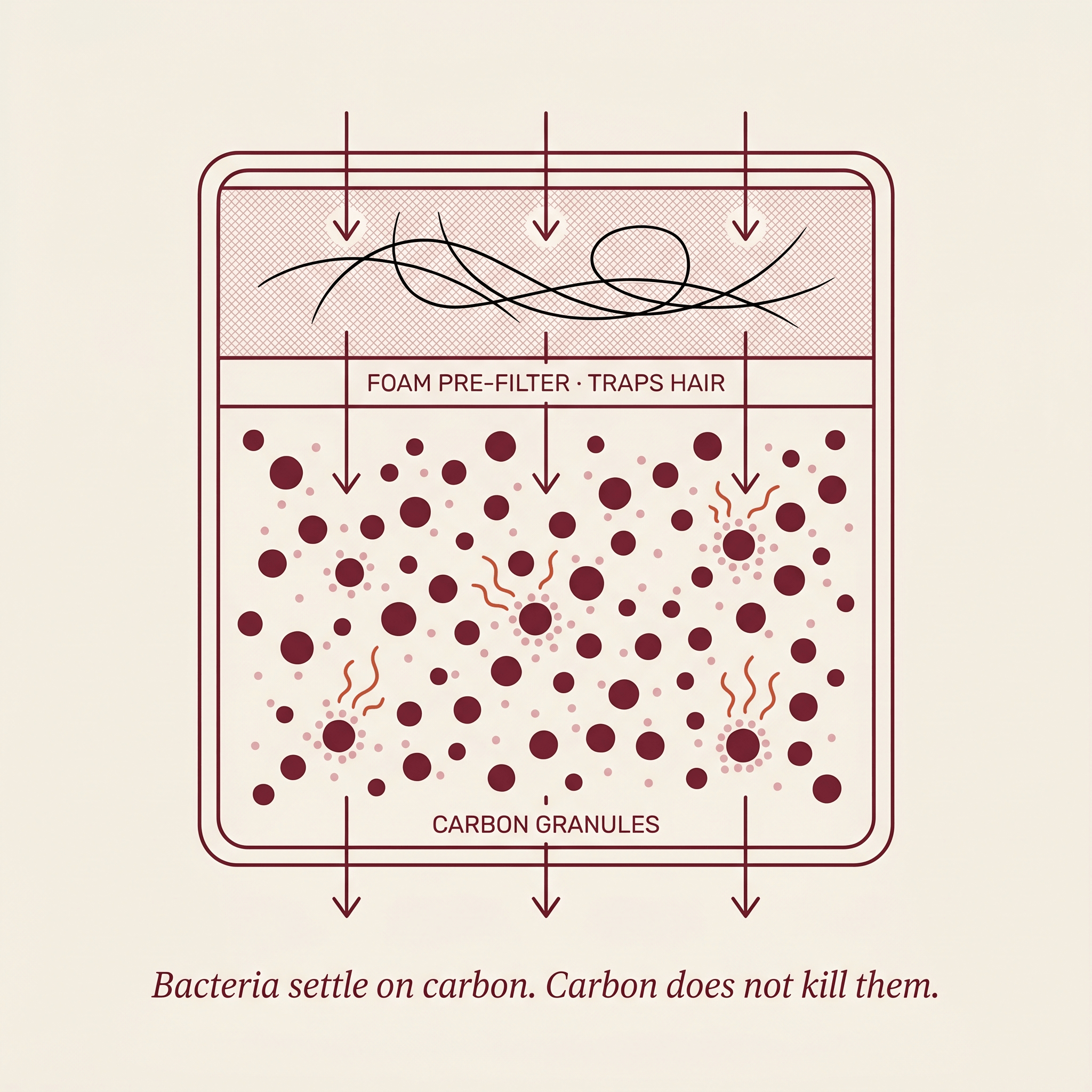
Carbon takes out chlorine and smell. It does not take out bacteria. In a fountain that loops water, the filter does three things at once:

  1. Strips the chlorine that was keeping tap water bacteria-free.
  2. Gives bacteria a big rough surface to settle on.
  3. Traps the hair, dust, and food bits those bacteria feed on.

The filter is not a wall against bacteria. It is a home for them. And it costs the owner $30–$100 a year to keep buying new ones.

Cross-section of a carbon filter cartridge showing bacteria settling on the carbon granules and hair trapped in the foam pre-filter.

This is not a brand failing. It is a design failing. Five different brands, with five price points, all built five flavors of the same machine — because that machine is what the supply chain knows how to build. The hygiene problem is not a bug. It is the cost of two goals: low cost to make, and steady filter sales.

The pink slime, when it shows up, is most often Serratia marcescens — a common bug that makes a pink color, grows well at the warm temp a wet pump puts out, and can cause illness in cats whose health is already weak. UAH Pet's own ads say all of this. They are right.

Why Purestream AquaOne Survived the Same Test

The AquaOne is the only fountain in this test that does not share the basic plan of its rivals. Five differences, each addressing one of the failures above:

Two chambers, one-way flow

3 L sealed clean tank + 1.35 L sealed waste tank, kept apart. The cat cannot reach either. Drinking water cannot flow back to the source.

Sealed clean-water pump

The pump lives in the sealed clean tank — isolated from the bowl water your cat drinks from. It only ever sits in fresh, untouched source water — so nothing in the pump grows slime, and hair has nowhere to wrap around.

No filter

Nothing to swap. Nothing to soak in slime. Nothing to budget for every month. The 1977 paper said carbon never blocked bacteria anyway. ~$0/yr in filter spend.

Steel drinking surface

A lift-out steel tray with a small clear dome at the center. The cat's chin and whiskers touch steel. They never touch plastic. (The tank body is plastic but sealed away from the cat.)

24-hour auto-drain

After the cycle, all bowl water drops down into the waste tank. The bowl refills from the sealed clean tank. Your cat never drinks water older than 24 hours.

AC + 5,000 mAh battery

About 15 days in sensor mode. The pump cannot run on an empty intake — a low-water alarm protects the motor. No more weekend dry-runs that seize the pump.

Sealed pump diagram showing pump submerged only in clean water tank, never touching used water
This is not a better fountain. It is a different machine.

Skip the slime. Ship the AquaOne.

The link readers keep asking me for. Direct from Purestream — the maker.

Shop the Purestream AquaOne
4.7 / 5 ★ from verified buyers · No filter spend · 24-hour auto-drain · Stainless drinking surface

What This Means for Your Cat

I want to be careful here, because the fast way to lose a reader is to over-claim — and most of what owners want me to say, I cannot say.

What I cannot tell you

I cannot tell you that swapping fountains will boost your cat's water intake. The peer-reviewed studies on cats and fountains do not show that cats as a group prefer moving water over still water. The strongest tool for cat urinary health is wet food, not the fountain you pick. I cannot tell you that AquaOne will stop a UTI or add years to your cat's life. The studies that would back those claims do not exist, and I will not pretend they do.

What I can tell you

A 4 kg cat needs about 200 mL of water a day. Low water intake is a known risk for long-term kidney disease and bladder issues. Cats are very good at picking up on slime in water before owners can see it — meaning a slimy fountain is not just an eyesore. It can drop how much your cat drinks by pushing it away from the bowl. "My cat sniffs at it and won't drink" is not your cat being picky. It is your cat doing the job nature gave it.

The bug load is the question I think more cat owners should be asking. The bugs in a dirty cat fountain — Serratia marcescens, Pseudomonas, common Gram-negatives, sometimes mold in spots you cannot reach — will not, in most cases, make a cat sick all at once. The risk is slow. Low-dose. It builds up. The dose is not a single sip. It is every sip, every day, for the cat's whole life.

And the question every cat owner has to answer is: do I trust the design of the fountain my cat drinks from, every day, for the rest of its life?

On chin acne

Chin acne is the one place where the link is clearer. Plastic bowls get tiny scratches with cleaning. Slime fills those scratches. The cat's chin presses into that slime each time it drinks. A skin rash follows. Steel drinking surfaces — real steel, not "steel" with a plastic body — block this path. Owner reports on this are clear and have been for years.

A note on guilt

In fifteen years of cat work I have never been trained to ask owners about their cat's water source on intake. We ask about food brand, treats, indoor or outdoor, shots, worm meds. The water — the thing the cat drinks the most of, every day, all its life — we just assume is fine. And for most cats, most of the time, it is. But when it isn't, the harm is hidden. The cat does not get sick fast. It gets a little off, slowly, and we look in other places.

If you are reading this and feel seen, I want to be clear: this is not your fault. The design was hidden. No fair owner could have known.

The Questions I Get Asked

These are the things people brought up when I told friends, peers, and a few clients about the test. I'll answer them in the same voice I'd use in clinic.

"But the bowl water still loops for 23 hours, doesn't it?"
Yes — the water in the top steel tray cycles in place for the 24-hour drink window. But it does not flow back to the source tank. The whole-system dirty clock that takes old fountains to slime in 3 days is reset every 24 hours when the bowl drains. Your cat never drinks water older than 24 hours, and the source it pulls from has never been touched. That is the part that matters.
"Will the water in the back tank grow mold sitting there sealed?"
No. The Norwegian Institute of Public Health's water hygiene team has said, in print: if the water is covered and of good quality to start with, in principle it can last a thousand years. Sealed water with no food in it does not grow bugs. The clean tank has a lid the cat cannot lift. No spit, no hair, no food bits ever get in. One catch: trash in, trash out. Use filtered or bottled water at fill time if your tap water is poor.
"Is no filter really a flex? Don't cats need filters?"
Filters are not what most people think they are. Carbon filters are made to take out chlorine, smell, and some other compounds. They do not kill bugs. The peer-reviewed evidence has been clear since 1977. More than one Reddit owner has said that pulling the filter out of their old fountain made it cleaner, not dirtier — "when I stopped with the filters there was never any mold ever again." I would not have believed it if I had not seen the inside of the cartridges I pulled out at 48 hours.
"What about cleaning the pump? I gave up on fountains because the pump was a nightmare."
The AquaOne pump only ever sits in the sealed clean-water tank — never the bowl water your cat drinks from. That bowl water is what wrecks every other fountain's pump within days: spit, hair, food bits, skin oils, all looped back through the motor. Here, none of it ever reaches the pump. Nothing for slime to grab onto. Nothing for hair to wrap around. For hard-water homes, run a 1:19 vinegar-to-water mix through it every couple of months to clear scale. No pump tear-down. No tiny brushes.
"I wish it weren't plastic at all."
The drinking surface — where your cat's chin and whiskers actually touch — is steel. The tank is plastic, but the cat never gets near it; it sits sealed behind a lid the cat cannot open. Cat chin acne from plastic comes from chin-on-plastic contact, not from water flowing through plastic upstream. The AquaOne keeps plastic away from your cat. (For what it is worth: a steel tank is the most-asked-for upgrade in the comments on Purestream's own social pages. I do not know if it is on the way.)
"How long does the battery last? How often do I refill?"
About 15 days in sensor mode. The 3 L clean tank lasts 3–9 days for a 1–4 cat home. Homes with 5 or more cats fill every 2–3 days; for that size, two units is the honest pick. The waste tank empties at about the same pace as the clean tank fills.
"Will my cat actually use it?"
I cannot promise this. No fountain maker can. The peer-reviewed work on cats and fountains shows no group preference for flowing over still water — meaning the "cats prefer running water" claim that this whole category is built on is, when you read the studies, folk wisdom dressed up as science. Most cats take to a new fountain in hours or days. Some take weeks. Some refuse all fountains. The honest answer is that I have not yet met a cat that refused the AquaOne, but I have met cats that refused every other fountain on this list.
"Is it worth the price?"
That depends on what you are comparing it to. If you have already bought two or three old-style fountains, swapped filters every two weeks, and are still cleaning slime out of them every Sunday — the AquaOne is cheaper over a 24-month span than what you are doing now. If this is your first fountain, it costs more than entry models and less than the top PetSafe Drinkwell. The fair frame: you pay once for a design that does not need filter spend, instead of paying again and again for filters that the 1977 paper already told us do not do what they claim.

What I Did at the End of the Test

I did three things.

1. I threw out the five rival fountains.

I do not say this for show. I will not put any of them in front of a client, and I will not put any of them in front of my own cat. The pattern I named above — three design flaws, set failure on a 48-hour clock — is not a problem any of those brands can fix without rebuilding the whole machine.

2. I kept the AquaOne.

It has been running in my own home for the months since the test. The clean tank looks the same as the moment I filled it. The drain cycle works. My cat drinks from it. The steel tray rinses clean in under thirty seconds. None of this is an ad claim. It is what is happening on my kitchen counter as I write this.

3. I started telling clients about it.

Not as a hard pitch — I am a vet nurse, not a sales rep, and I have no money tie to Purestream. I tell them in the same tone I would use if a client asked about a litter box, or a cat tree, or a wet food brand. Here is what the study found. Here is what I now use myself. Choose what makes sense for you.

The number of clients who came back and asked me where to buy one is the reason this article exists. I was getting the same question often enough that it was easier to write the answer down once than to say it again and again.

Where Readers Have Been Asking Me to Send Them

The AquaOne is sold from the maker at trypurestream.com/products/purestream-aquaone.

It is a small brand. They do not have the ad budget of PetSafe or PetLibro. I have been told that stock is sometimes thin — the two-chamber design costs more to make than a one-chamber fountain, and they have run out before. If the link above shows out of stock when you click, the maker's restock list is the only way I know of to find out when the next batch lands.

I have no affiliate deal with Purestream. I have not been paid for this article. The Cat Vet Report is my own site. Readers who buy through the link above pay the same price they would pay anywhere else.

If you do buy one, my one bit of advice: read the manual. The 24-hour drain cycle and the sensor-mode pump work in a way most cat owners are not used to, and the things that matter — emptying the waste tank, rinsing the tray sponge, the descaling pace for hard water — are in the manual and are easy if you know about them up front.

That is the article. The rest is up to you.

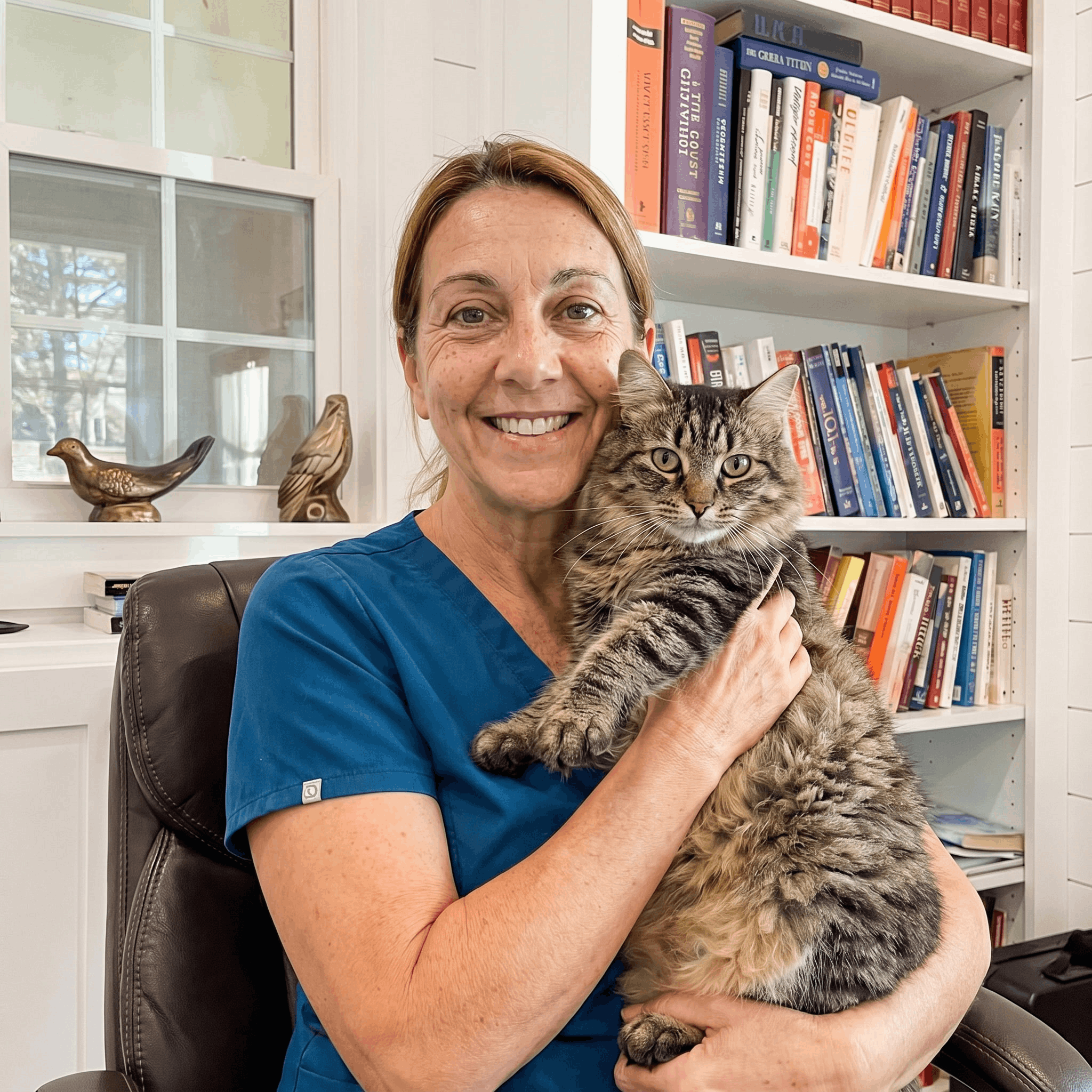
— Claire Whitfield, RVN

Get the Purestream AquaOne

Direct from the maker — the link readers keep asking me for.

Shop the Purestream AquaOne
Independent test · Not sponsored · No affiliate deal
Stock is often thin. If sold out, join the maker's restock list.
Limits of This Study

In the spirit of honest research:

  1. One unit per fountain. Each brand was tested with one unit. Build-to-build differences are real. The design findings (one-chamber loop, pumps in the water, carbon filters) hold across all units of a given brand; the exact clarity and slime scores in this study do not.
  2. No lab bug count. I did not grow the bacteria or count CFU/mL. The findings can be seen in photos, and they can be repeated by any reader with the same fountains and a clarity card. They are not lab-grade.
  3. Six cats, not one. Cats shed at different rates, drink different amounts, and have different mouth flora. This adds noise to the test. I chose to keep it in. A lab run with no cat would be cleaner; it would also not match the real use case.
  4. One observer. Tests were done by Claire Whitfield. A second blind tester was not used in this round of the study.
  5. No long-term wear data. This is a 48-hour test. Pump issues that show up at 6–18 months show up in user reviews of every brand here, and a few in early reports of AquaOne units. The design helps cut these failure paths for AquaOne but does not rule out any one unit failing.
  6. No claim about cat health. The study compares water quality after 48 hours. It does not measure, and cannot claim, what happens to cat water intake, urinary health, kidneys, or life span.

The full method — gear, water source, room set-up, scoring rules — can be sent on request.

References

  1. Fiore, J. V., & Babineau, R. A. (1977). Effect of an activated carbon filter on the microbial quality of water. Applied and Environmental Microbiology, 34(5), 541–546. doi:10.1128/aem.34.5.541-546.1977
  2. Bayani, M., Raisolvaezin, K., Almasi-Hashiani, A., & Mirhoseini, S. H. (2023). Bacterial biofilm prevalence in dental unit waterlines: a systematic review and meta-analysis. BMC Oral Health, 23, 158.
  3. Hariharan, A. V., & Sankar, M. M. (2024). Daily use water bottles as a hub for microbial population: PET vs. stainless steel. Journal of Pharmacy & Bioallied Sciences, 16, S1242–S1245.
  4. Pachel, C., & Neilson, J. (2010). Comparison of feline water consumption between still and flowing water sources: A pilot study. Journal of Veterinary Behavior, 5(3), 130–133.
  5. Robbins, M. T., Cline, M. G., Bartges, J. W., et al. (2018). Quantified water intake in laboratory cats from still, free-falling and circulating water bowls. Journal of Feline Medicine and Surgery, 21(8), 682–690.
  6. Kosmal, P. A. L., Shoveller, A. K., Gillies, G., & Armstrong, L. E. (2025). Scoping review of 32 publications on water intake in cats. Journal of Animal Science, 104, skaf434.
  7. Taylor, S., et al. (2025). iCatCare LUTD consensus guidelines. Journal of Feline Medicine and Surgery.